

 Archeologist, puzzle solver and true gentleman Professor Layton jumps from the Nintendo DS to the movies in the animated feature Professor Layton and the Eternal Diva. The Japanese film is pegged as an early adventure of the prof (Christopher Robin Miller, who’s voiced the role in some of the games) and his “apprentice No. 1,” Luke (Maria Darling, ditto), the scrappy youth who handles his mentor’s letters and tea.
Beginning with a locked-room mystery for a prologue, the story takes shape as a concert hall full of performers and patrons alike — including a football player and an Agatha Christie-esque author — magically disappear and are thrown into a game of adventure, where the stakes are high and the winner gets — or so they’re told — the gift of eternal life.
 Along the way, the group faces sharks on a ocean voyage, an island rife with hungry wolves, and a castle filled with labyrinthian tunnels, through which they’re pursued by phantom-masked henchmen. It’s cute, enjoyable and better than your average anime, for which director Masakazu Hashimoto has been responsible in the past.
Other than clean character and set design, two things set Eternal Diva apart, even if the movie is ultimately inconsequential. One is the element of steampunk that’s infused into its latter half. The other is, of course, the puzzles that Professor Layton and the others encounter. It makes the lead character appealing as a Sherlock Holmes for pint-sized audiences … and their parents. —Rod Lott
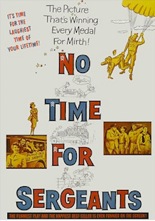
 Thanks to his legendary TV portrayals of Andy Taylor and Ben Matlock, everyone associates Andy Griffith with the small screen, but movie buffs would be wise to make the effort to seek out the films he made before he became everyone’s favorite single dad/small-town sheriff. Chances are, you’re at least familiar with his dramatic debut in Elia Kazan’s
 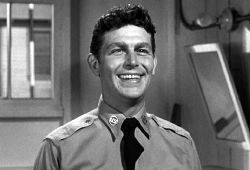 If this sounds familiar, it’s because Griffith used the concept as the basis for his Mayberry spin-off
 Horror fans can be so fickle. Every negative review I’ve read of
  Pinhead (Stephan Smith Collins,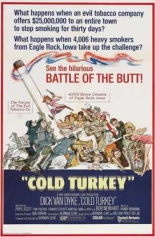
 The locals are wary. The smokers are upset they’re the only ones asked to make a sacrifice, while the town’s right-wing coalition worries such a collective effort reeks of old-fashioned communism. Both groups eventually are persuaded by the reverend’s eloquence and — in the right-wingers’ case — the chance to form an authoritarian militia dedicated to keeping fellow citizens from lighting up. The town soon earns national media attention (as represented by the classic comedy duo Bob and Ray) and profits from the exposure, but at what cost?