

 Playing the title role of The Machinist is Christian Bale. Or is that Christian Rail? Yuk-yuk; the guy pulled a total reverse De Niro to shed something like 63 pounds to portray the sickly, skin-and-bones Trevor Reznik, the blue-collar worker who loses weight inexplicably and hasn’t slept for a year.
Stranger still, strange Post-it notes pop up around his apartment, like “Who are you?” and a six-letter game of Hangman. He’s a loner at work — even more so after he causes a bloody accident that costs a guy his arm — and the only real companionship he has is literally bought: regular rounds with a sympathetic call girl, played by Jennifer Jason Leigh.
 Which begs the question: Does Leigh have some sort of hooker-role punch card? There’s this, Last Exit to Brooklyn, Miami Blues — what does she get when she hits 10? An automatic Oscar? She’s good in this, as virtually always, but it’s Bale’s picture through and through. He’s totally believable as a paranoiac spiraling deeper into an abyss where reality and fantasy blur for him.
Director Brad Anderson seems to channel a good dose of Brian De Palma to drive this obsessive thriller, with Roque Baños serving as his Pino Donaggio/Bernard Herrmann for a score that has viewers on puppet strings. From an epileptic kid to a co-worker who looks Laurence Fishburne in The Matrix, The Machinist keeps you guessing for its whole; even if its twist is a bit of a letdown, all that comes before it is a stylish high. —Rod Lott
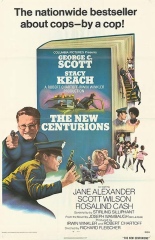
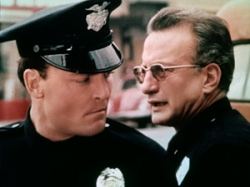 There’s a reason they call it a beat: because it wears one down. Like Wambaugh’s excellent, reality-based novels, Richard Fleischer’s film pulls back the veil of being an officer, presenting a portrait that’s not at all gussied-up, revealing the repercussions of making an honest but deadly mistake, and the toll the job takes at home. A scene in which the wrong guy is fatally shot is powerful, but most tense is when the police attempt to wrest an abused newborn from its drunk mother.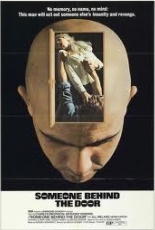
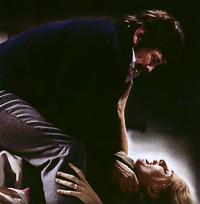 That’s the snazzy way of saying, “I’m going to make you think that my wife is really your wife, and then tell you that she’s been nailing some dude that isn’t me — er, you — and that you should do something about it, thereby letting me off the hook.” Oooooh, Mrs. Jeffries (Jill Ireland, of course), you are in troubbbbble!
 Otherwise, the first two-thirds stick pretty close to the book, even lifting entire scenes of dialogue. Unfortunately, what was punchy on the page drags in the hands of director Mikael Håfström, which does the abrupt, condensed ending no favors. In Siegel’s book, there were several endings, but each with a purpose, adding layer upon layer to an already suspenseful story. Here, it’s your standard revenge climax, and by cutting so much out of it, it’s bereft of the logic the author brought to it.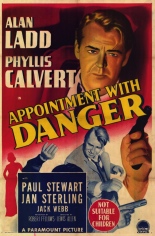
 She saw only one of the killers (Morgan), but the other one (Webb) thinks she should be killed just to be on the safe side. Goddard goes undercover as a bent government man in order to find out what these crooks are up to, and how to stop it.