
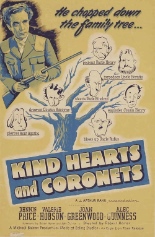
 A condemned nobleman sits in his jail cell, mere hours away from his appointment with a noose. The epitome of good grace, he’s seems to have accepted his fate as calmly as any man could, although he is innocent of the murder for which he has been convicted. With so little time left, he has to hurry if he is to properly jot down the tale of his rise to the nobility and all of the people he really did kill before finding himself in this somewhat ironic predicament.
Kind Hearts and Coronets is not just a black comedy; it is the black comedy by which the entire genre should be judged. It is the story of a bitter, deceitful, murderous, narcissistic sociopath whom you’ll happily root for as he purposefully kills all of the useless relatives standing between him and the noble birthright he believes was denied him by their class snobbery.
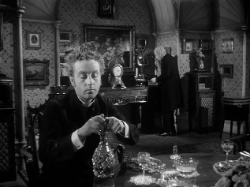 As played by Dennis Price, Louis Mazzini is so upfront and charming about his crimes and his reasons for committing them that it’s only in retrospect you realize there might be something wrong with him. It’s easy to imagine yourself in his place, doing exactly the same thing. The only reason he isn’t considered one of the greatest villains in film history is because writer/director Robert Hamer so expertly presents him as its hero, it’s impossible to think of him as anything else.
By far the best movie to come out of Britain’s estimable Ealing Studios, Kind Hearts and Coronets is one of those timeless, black-and-white films whose sensibility is so unique and perfect, it feels as if it could have been made yesterday. I think I’ve seen it at least 20 times since I first discovered it, and I’ve been shocked and surprised by its brilliance on every viewing. —Allan Mott
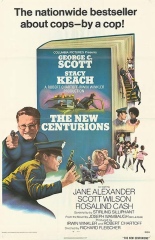
 No one writes a cop novel like Joseph Wambaugh, so it’s no wonder Hollywood has adapted so many of them, starting with
 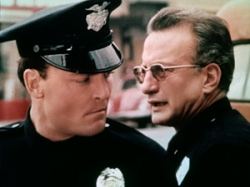 There’s a reason they call it a beat: because it wears one down. Like Wambaugh’s excellent, reality-based novels, Richard Fleischer’s film pulls back the veil of being an officer, presenting a portrait that’s not at all gussied-up, revealing the repercussions of making an honest but deadly mistake, and the toll the job takes at home. A scene in which the wrong guy is fatally shot is powerful, but most tense is when the police attempt to wrest an abused newborn from its drunk mother.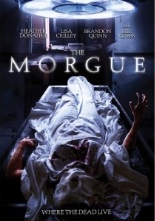
 Okay, I admit it: I’m not perfect. I’ve done some pretty lousy things in my life. But I have never done anything, wanted to do anything, or even thought of anything to make me deserve this movie. If Stalin were in Hell watching
 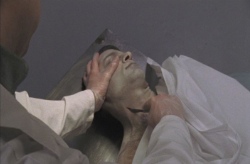 So on this night of nights, Margo is interrupted by a family of three that comes in because they ran out of gas. (Mom is played by Heather Donahue, she of the enraged nostrils in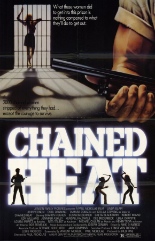
 Already convinced by previous viewings that
 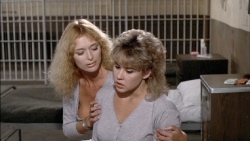 And Chained Heat? It tells the story of the misery and corruption found in a women’s prison that focuses on characters like Carol Henderson (Linda Blair), an otherwise law-abiding everywoman who ran over and killed a man by accident; Ericka (Sybil Danning), a cruel, dangerous Aryan who sets her sights on Carol’s ass and tries to make it her own; and Duchess (Tamera Dobson), the Vassar-educated queen bee of the prison’s (frequently mentioned, but largely unseen) black prison population.
 1. Lucy N. Easy