
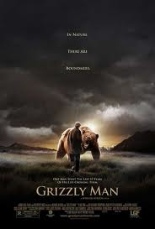
 Many things of beauty exist that man simply was not meant to fuck with: thunderstorms, fire, waterfalls, Jennifer Lopez, grizzly bears. The latter proved the last of Timothy Treadwell. As Werner Herzog’s wildly acclaimed documentary Grizzly Man proves, the self-appointed bear protector/failed actor knew this — absolutely knew he could be bitten, decapitated, eaten, shish-kabobbed, what have you — and yet put himself in harm’s way, on purpose, for 13 years, until one of the bears finally got tired of him being around.
Sporting a haircut that screams “Jeff Daniels in Dumb & Dumber,” Treadwell shot his own field movies, which show the drama queen hanging out with the bears in a proximity that humans should do only when friggin’ zoo bars exist between the two. He talks to the bears like a would-be Dr. Dolittle, granting them them cutesie names: Grinch, Aunt Melissa, Mr. Chocolate, Freckles. (Ditto for foxes, i.e. Banjo.) I can guess how Sgt. Brown got his moniker; he’s the bear that defecates a lot while fighting with one Mickey Bear.
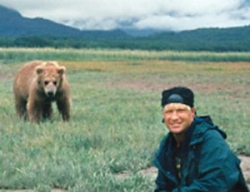 Speaking of poop, Treadwell is shown touching a fresh, steaming pile because he thinks it’s beautiful it came from the butt of his beloved Wendy. If you think that’s weird, wait until he sheds tears over a dead bee. Yes, there’s something that wasn’t right with the man; apparently, he drank too many brain cells away to think he had forged some relationship with them that they understood his words. He’s like The Crocodile Hunter without the cable contract.
That makes Herzog’s doc fascinating and infuriating. If you’re looking to get off on grizzly footage of Treadwell’s death by furry creature, you’ll be disappointed; seek solace in your Faces of Death collection, perv. (You will, however, find an extended story about exploding soup, if you’re into that sort of thing.) Still, the movie is unsettling, and not just because of an unblinking mortician. Moral of the story? Please do not feed the bears. —Rod Lott

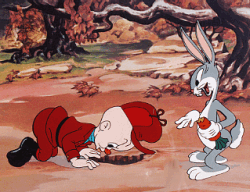 It’s this material, most of which is spoken by one of Bugs’ papas, Bob Clampett, that generated some hurt feelings when this film was released. Co-creators Avery and Friz Freleng are also interviewed, and while Clampett had complimentary things to say about Chuck Jones, Jones — who could nurse a grudge like Silas Marner could nurse a nickel — accused Clampett of being a credit hog. The thing is, when this picture was made, almost everyone from the days of classic animation was looking for credit for the work he’d done for hire in the 1930s-1950s, so a lot of exaggeration was going around.
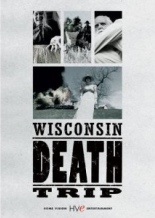
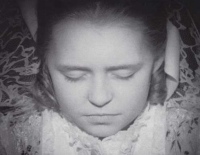 Many of the film’s visuals are derived from period photos taken by Charles Van Schaik, including a lot of children in their coffins, and the narration by Ian Holm comes entirely from newspaper articles and obituaries of the time. Many of the incidents are re-created using actors.

 Which is a shame because there are several interesting points raised in the film. Especially intriguing is the question of whether or not any act can be considered truly consensual once money is added into the equation. In one interview, a model admits a scene she took part in could be considered rape, but she let it to continue and appeared in several more after it, because the money she earned allowed her to go on frivolous shopping sprees.