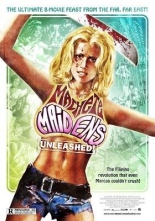
 As if Mark Hartley’s 2008 documentary, Not Quite Hollywood, weren’t deliriously entertaining enough, the director follows it up with the equally outrageous Machete Maidens Unleashed! Whereas Quite cast its probing eye on Australia’s deep history in exploitation film, Unleashed examines the Filipino revolution in moviemaking, even if much of that wave was due to American invaders — namely one Roger Corman.
While the Philippines was home to many a native production, it wasn’t until director Eddie Romero dipped his toes into horror with the likes of Terror Is a Man and the Blood Island trilogy that local audiences gave a damn, not to mention dollars. When Corman launched New World Pictures, he found he could make his cheap women-in-prison opuses even cheaper by shooting there, bringing an authentic bungled-jungle look to his Hollywood product.
 Chock full of interviews with the movement’s filmmakers and performers who remain alive (plus John Landis), the excellent Unleashed also considers the careers of Cirio H. Santiago (Savage!, TNT Jackson), Bobby Suarez (Bionic Boy, One-Armed Executioner) and pint-sized actor Weng Weng (For Your Height Only, The Impossible Kid), all of whom helped keep the industry busy. So active was the Asian republic that Corman eventually parodied his productions there with Hollywood Boulevard, and Francis Ford Coppola turned it into a war zone with Apocalypse Now.
With intriguing sidebars on the safety measures not taken by Filipino stuntmen and the film fandom of shoe addict Imelda Marcos, Unleashed showcases so many movies of questionable quality — Twilight People, Beyond Atlantis, Vampire Hookers (“Blood isn’t all they suck!”) — that you’re advised to keep a notebook handy. Your “must-see” list will grow by the dozens. —Rod Lott

 It’s a colorful history of pioneers like Gorgeous George, Sputnik Monroe (“He was the only person I know who could get run over by a Greyhound bus and not get hurt”), karate-chopping Tojo, black masked wrestler Sweet Ebony Diamond, arrogant Jackie Fargo (“I was meaner than a damn rattlesnake and tougher than a two-dollar steak”), the infamous Jerry Lawler and celebrity opponent Andy Kaufman, not to mention matches against bears and with midgets (“You could put midgets on your card, and your house would double. … I liked a lot of those midgets”).
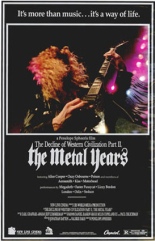
 Its subtitle is somewhat misleading, since the bulk of the acts under view here are of the glam variety, leaving just Megadeth for those who take their metal seriously. A few legends pop in and out during the interviews (including Ozzy Osbourne, Alice Cooper, Steven Tyler, Joe Perry, Lemmy, Paul Stanley and Gene Simmons), but for the most part, we’re left with clueless wannabes (like the members of Odin, who insist they’ll only be satisfied until they’re as big as Led Zeppelin or The Beatles. I wonder how that worked out for them?), along with a few almost-weres (London, Faster Pussycat) and Poison (who almost inexplicably come of as sweet, self-aware dudes).

 This includes demonstrating a prototype of the “future leisure suit,” which contains an inflatable, phallic appendage containing a screen on which corporate heads can monitor their workforce remotely. This outfit and accompanying suggestion that slavery was a good thing aren’t questioned by anyone. At least a classroom of collegians is sharp enough to turn on a supposed WTO/McDonald’s partnership presentation in which Americans’ feces would be piped to Third World countries and recycled into “reBurgers.”