
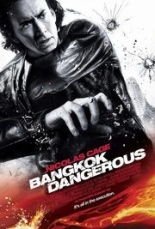
 Bangkok, Oriental city, and the city don’t know what the city is getting: Nicolas Cage with a lifetime supply of the inkiest shades of Just for Men.
In the ridiculous action failure Bangkok Dangerous, the Pang Brothers (The Eye, The Messengers) remake their own supposedly popular 1999 Thai hit of the same name, but to no great effect. So unimaginative, so uninvolving is this routine no-effort that it took me several months of starts and stops just to get through it, and even then, I gave up with about 20 minutes left to go.
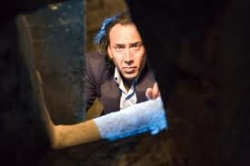 Cage is Joe, one of those expert hit men of the movies: He doesn’t miss, but he’s getting too old for this shit. Instead of killing strangers on a freelance basis, he wants to meet someone and settle down. While on assignment in Bangkok, Joe meets Fon (Charlie Yeung, New Police Story), a nice deaf girl who works at the local pharmacy. He teaches her skills she needs to know, like hand-to-hand combat and watermelon shooting; in turn, she teaches him skills he needs to know, like how to feed bananas to an elephant and how to upstage an Academy Award winner without saying a word.
The only reason to watch a film like Bangkok Dangerous in the first place is obvious: potential for cool action sequences. The Pang (Pain?) Brothers deliver a decent boat chase and murder by motorcycle, but no scene is pulled off with a discernible degree of pizazz. It may be the least engaging action vehicle for an A-list actor this decade. If only the sibs had borrowed elements of one of Cage’s other turds of the time, The Wicker Man, they might have something.
I’d suggest the bee helmet. —Rod Lott
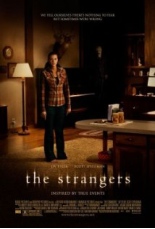
 It takes a good half-hour of Liv Tyler and Scott Speedman moping around and listening to Joanna Newsom on vinyl, but once it gets going,
 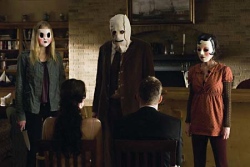 The inconvenience is merely step one of a trio’s ace home-invasion plan. This assault on precinct pretty-boy is made unnerving because the three perpetrators each sport a different mask; according to the credits, their names are Dollface, Pin-up Girl and Man in the Mask. That latter moniker doesn’t do him justice, as he wears a burlap sack with eyeholes and a painted smile. (Pin-up Girl’s facial disguise is particularly creepy; just ask my kids since I was sent one with the review copy. Yes, I am a horrible parent, but I cannot resist a laugh at their piss-their-pants expense.)
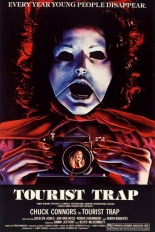
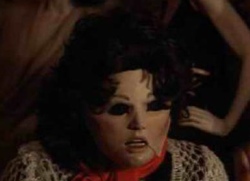 The titular site refers to Slausen’s Lost Oasis, an off-the-beaten path, now-closed-to-the-public wax museum owned by the lonely widowed Mr. Slausen (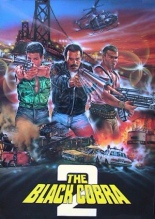
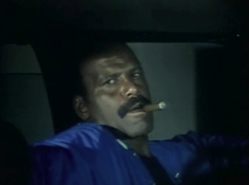 The Italian-backed actioner almost seems like two movies for the pain of one. In the first part, Fred falls for a buck-toothed, barfy faced girl whose con-man father was found murdered (“I hate to be the barrier of bad news,” Fred says; couldn’t they have dubbed that over?) and then rescues her after she’s kidnapped by slimy terrorists looking for $10,000.