
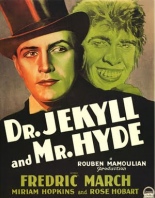
 The best adaptation of Robert Louis Stevenson’s novel I’ve ever seen, Dr. Jekyll and Mr. Hyde rightly won Fredric March an Oscar for his portrayal of the scientist who seeks to separate the good from the evil in man, and unfortunately succeeds.
When the enterprising Jekyll tests his experimental serum, he transforms (sometimes startling without the use of makeup or camera tricks) into Hyde, a hairy, snaggletoothed, horny creature with a taste for blood, prostitutes and the blood of prostitutes. Neither the police nor Jekyll’s fiancée take too kindly to this development.
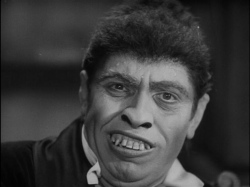 The best thing about this version is Rouben Mamoulian’s direction, which looks innovative even today through his unique use of subjective camera, split-screens and framing of certain shots. It’s way ahead of its time. The film kind of peters out in the last half-hour and I’m bothered by the way everyone pronounces the doc’s name as “JEEK-ul,” but this is still a great old horror movie through and through. —Rod Lott
 A mixed-bag movie franchise comes to a disappointing end (or at least one assumes) with
 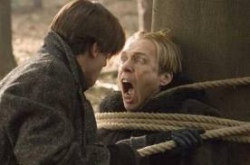 The only scenes that resonate are those in which Hannibal exacts his revenge, and we’re made to cheer him along. Yet they’re not built with any shocks; they simply go through the motions. And what to make of his third-act transformation into Action Hero, leaping atop ships to save Gong Li? At least on the page, scenes like this can’t look silly.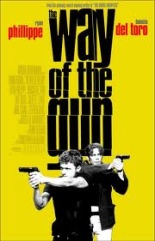
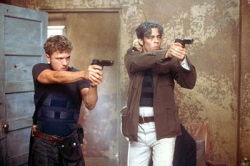 On their tail are Taye Diggs and Nicky Katt as Lewis’ expensive-suit-wearing bodyguards. Also on their tail is James Caan, who never once moves his neck. Also also on their tail is Geoffrey Lewis, for reasons that simply clutter up what should have been a simple story. And we haven’t even gotten to the cops.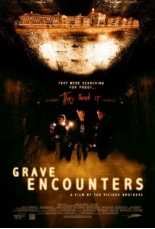
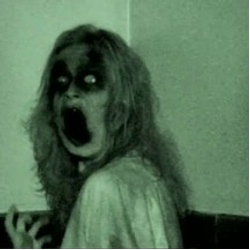 With Sean Rogerson doing a fine job of portraying the host as a total douche (to a point of tangible annoyance), the requisite strange stuff begins to happen following a belabored setup. This includes a woman’s hair being pulled, a window opening on its own, a door slamming on its own, and so on. Things only ramp up at the tail end, but either are highly reminiscent of scenes from other movies — most notably,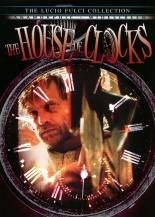
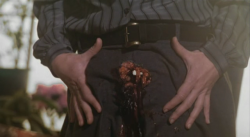 Enter three young ruffians: two guys, one girl. These shoplifting, pot-smoking, cat-in-plastic-bag-trapping punks burst into the place to rob the Corsinis blind, but accidentally kill them, too. At the moment of the old geezers’ murder, the clocks freeze. Soon, their hands inexplicably move backward, thereby enabling the deceased Corsinis to take their revenge. Like sands through the hourglass, so are the days of our lives.