
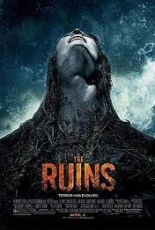
 Twice a year, you’re supposed to spread pre-emergent fertilizer on your lawn to prevent weeds from ever popping up. Someone should have done the same to The Ruins, a terrible killer-vines horror flick based upon Scott Smith’s not-at-all-terrible 2006 novel of the same name.
Two couples of college kids vacationing in Mexico meet a charismatic German guy who needs help finding his brother, from whom he’s heard no word since venturing out on a trip to check out some ancient ruins in the nearby jungle. Somehow, this seems like a viable alternative to another day of drinking and doing it, so our quartet of all-American students agrees to help the complete stranger out.
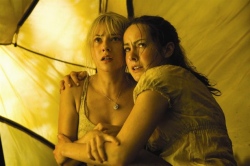 Bad move. No sooner do they arrive on the site — which looks like a stair-step stone temple — than locals speaking a foreign tongue shoot one of their new friend’s friends, via an arrow to the heart and a bullet through the nose. This drives our imperiled heroes and heroines to the top of the site, where they’re imprisoned by the growing armed throng below. Then there’s the matter of the ruins’ plant life: It’s, like, alive, dude. And it eats people by burrowing into their skin and moving around. With precious little food or water and seemingly no hope to get through the human gauntlet below, the collegians’ future doesn’t look so rosy.
It’s hard to fathom why The Ruins is as bad as it is, since Smith (A Simple Plan) is also responsible for the screenplay. It’s simply boring, which is weird, because what played out as gripping over 336 pages seems an absolutely tedious uphill climb at just 93 minutes. Part of the reason may be we’re given no insight into who the characters are, so we don’t really care about what happens to them. We know they like to pound back the booze, and that’s about it; they’re ciphers.
If anything, the movie deserves a bravery badge for not diluting the shock moments of the novel — most notably, an impromptu double amputation in grisly detail — but it chickens out of presenting the book’s chilling ending, going for one of those insipid Hollywood “gotcha” moments — the cinematic equivalent to a middle finger hoisted toward the audience. —Rod Lott
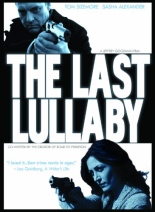

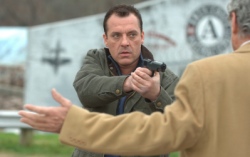 Price is not interested; he’s recently retired from the killing game. But $1 million is tough to turn down. His target: Sarah (Sasha Alexander, TV’s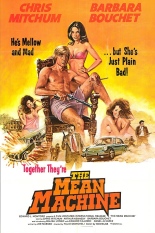
 Hell hath no fury like Robert Mitchum’s puppy-faced, denim jacket-donning second son sporting a Dutch Boy ‘do. Christopher Mitchum stars as the not so suavé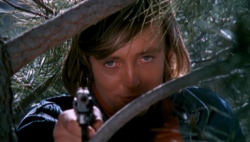
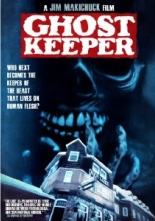

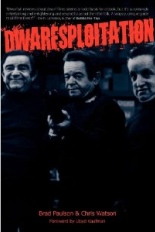
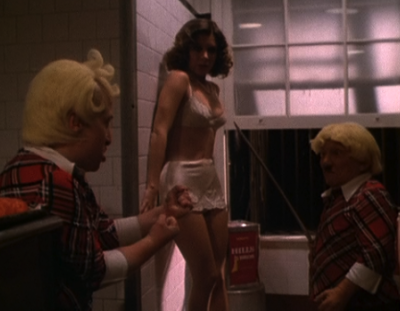 You’re not going to get deep insight into the films featured. That’s not the point. The point is celebrating the little guy, in an easygoing manner that’s both affectionate and amusing. For example, take this sentence from their look at