
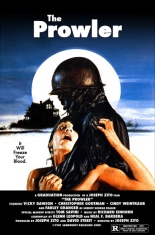
 Joseph Zito’s The Prowler is a refreshing work. Whereas every World War II vet I’ve encountered mistakes something as insignificant as a friendly nod of the head and respectful smile as “tell me your life story in long, agonizing anecdotes, and spare no details,” the Dubya-Dubya-Two vet here doesn’t speak at all. Plus, you can’t see his face, so you aren’t distracted by liver spots. So what if he also carries a big bayonet? Doesn’t that trump having to hear yet another yarn about fapping to Betty Grable pin-ups in the barracks?
It does, even if this vet holds quite the grudge (or, ju-on, if you prefer). After receiving a Dear John letter from his best gal while he’s overseas, the guy returns home to find her necking with a new beau at the graduation dance, so our vet puts a pitchfork right through ’em both. That’ll show ‘er!
 Thirty years later, the town holds the dance again for the first time post-body count, and wouldn’t you know it? The vet is back, and he’s got a hankerin’ to kill all those meddling kids! Perhaps most notably, a busty co-ed gets all points of a pitchfork in her tummy while she’s soaping up in the shower, and Zito doesn’t dare puss out by cutting away.
That’d mean squat if the effects sucked, but they do anything but. Tom Savini outdoes himself here, crafting practical gore scenes that look so realistic, the payoff they provide is worth Zito’s sometimes too-long build-up of suspense. The director next did Friday the 13th: The Final Chapter, arguably the best of that series, and the rest is splatter-flick history. —Rod Lott
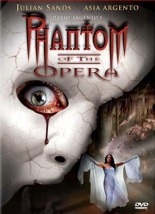
 The Christine of his dreams is played by Asia Argento, and she and The Phantom get down and dirty a couple of times. (Once more, it’s a little unsettling to see her disrobing for sex scenes for her father to shoot, especially since The Phantom likes it doggy-style.) The Phantom so wants Christine to star on the stage version of Romeo and Juliet that he assaults the “fat cow” leading lady by clawing deep gashes into her left udder.


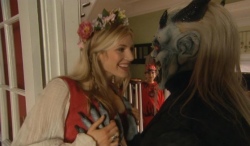 This gives way to a rollicking, stab-a-rific caper — perhaps even a love story between a lisping child and the demon to end all demons, bonding over harming innocents that include a pregnant woman, a newborn baby, a blind man, Dougie’s own father and many more. An elderly lady gets hanged to death on her porch by Satan, and Dougie, for whatever dipshit reason, thinks it’s the funniest trick he’s ever seen. Ditto for Satan squeezing Jenna’s generous breasts in her Renaissance slut costume. (“I can see your boomies!” says Dougie with a disturbing chuckle.)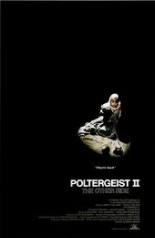
 With the aid of Sampson and pint-sized Tangina (Zelda Rubinstein), the Frelings return to the site of their old home and cross over to another dimension, resulting in a ludicrous, laughable sequence, culminating in a return from Dead Grandma as an angel. Williams cries; you’ll laugh.