
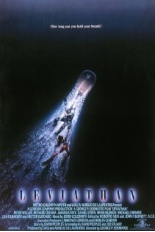
 You might think 10 years is a long time to wait before ripping off a wildly successful movie like Alien, but Leviathan was released only three years after the even more wildly successful Aliens, so while the concept wasn’t fresh, it was at least fresh on people’s minds.
One of a half-dozen underwater sci-fi thrillers released in 1989, Leviathan takes place in an undersea mining facility where the crew’s been living for three months. Toward the end of their shift, they discover a derelict vessel whose crew was destroyed by an unusual, dare-we-say-“alien” life form. One of the miners accidentally brings it back on board their ship, hidden inside his body until it’s ready to pop out and terrorize the rest of the crew who are stuck there because the company they work for knows more about all this than they’re letting on.
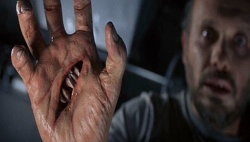 Leviathan does have some significant, although superficial-to-the-story differences from Alien, however. H.R. Giger famously designed the creature in Alien; Leviathan’s beast was created by the great Stan Winston, who unfortunately wasn’t doing his best work here. The early stages of the monster look cool, like a killer eel or something, but as it matures, it turns into an asymmetrical version of the Creature from the Black Lagoon-type character from Mad Monster Party.
A better difference from Alien is Leviathan’s cast. The movie is watchable mostly for the gorgeous Amanda Pays and her irresistible accent (and underwear), but also because it has Robocop, Col. Trautman, Winston from Ghostbusters, Marv from Home Alone and Callie’s dad from Grey’s Anatomy trying to fight a fish-man. When I think about it that way, it’s actually kind of awesome. —Michael May
 I was worried, but the
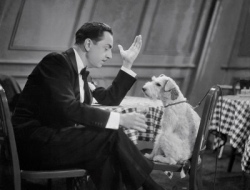
 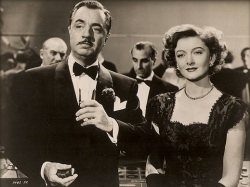 Nick Jr. appears again in this installment, but he’s about 10 or 11 years old and not played for cute anymore. Dean Stockwell (TV’s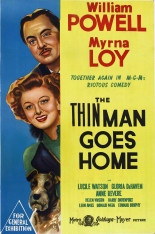
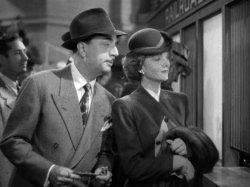 Nick’s best gags have always been his search for the next drink and his drunken endurance of insufferable people. Here, he soberly faces likable people and tries to get them to like him. It’s a sad position for the once great detective to be in.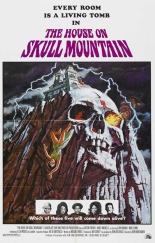

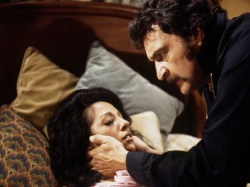 Phillipe is a creepy fool who drunkenly hits on Cousin Lorena; Harriet is a timid housemaid who sees visions of death. Lorena and Andrew quickly form a relationship that may or may not be romantic (I choose “not,” because it allows me to continue judging Phillipe while still liking the two leads), giving this House some appeal that it probably doesn’t deserve. There’s nothing overtly sexual in the way they act around each other; they’re just extremely comfortable in one another’s company and encourage each other in more ways than simply trying to stay alive. There’s a particularly sweet scene where Andrew complains about not knowing anything about himself: “I don’t even know what color I am.”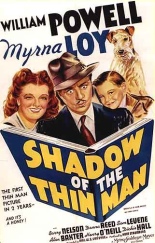
 The mystery’s not particularly inspired, either. It has to do with organized crime and betting on sporting events. I yawned just typing that. Nick gets involved because a buddy of his is the prime suspect when someone turns up dead. Barry Nelson, the original James Bond, plays the friend, so that’s cool. And a very young Donna Reed plays Barry’s girlfriend.